

National Hotline
+86-0516-87631319
+86-0516-87631319
At the recently held 8th International Forum on Carbon Dioxide Capture, Utilization, and Storage (CCUS), participants emphasized that CCUS technology serves as a key driver for promoting the clean utilization of fossil fuels and aiding deep decarbonization in the industrial sector, as well as an important pillar in building a safe and sustainable new energy system. They called for focused technological breakthroughs, enhanced international cooperation, and the promotion of large-scale and clustered development of CCUS demonstration projects.
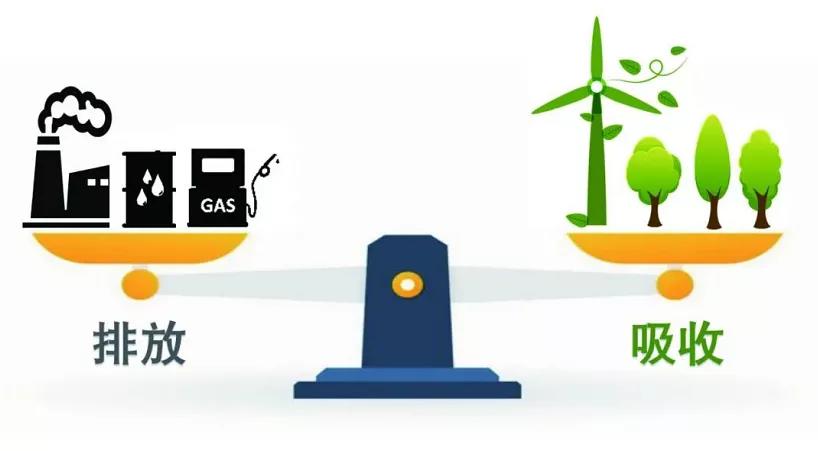
CCUS refers to the process of separating carbon dioxide from industrial production, energy utilization, or the atmosphere for utilization or permanent emission reduction by injecting it underground. The "14th Five-Year Plan" for Science and Technology Innovation in the Energy Sector clearly states the development of new-generation, high-efficiency, low-energy carbon dioxide capture technologies and equipment to enhance the economic viability of carbon capture systems, as well as research into resource utilization and energy-based applications such as carbon dioxide-enhanced oil recovery and gas extraction.
Lu Junling, Chief Economist of the National Energy Administration, stated that CCUS serves as an indispensable bridge connecting the clean utilization of traditional energy on one end and the coordinated development of a new energy system on the other, ensuring energy security while achieving carbon peak targets. In recent years, the National Energy Administration has accelerated CCUS's progress from exploratory beginnings and pilot experiments to industrial demonstration and large-scale development by strengthening policy guidance, advancing technological innovation, and deepening project implementation. Efforts must now focus on accelerating planning and top-level design, clarifying technological development pathways, solidifying system-building foundations, and launching demonstration projects to support green, low-carbon, and high-quality development.
"Currently, China has made positive progress in CCUS technology from R&D demonstration to industrial deployment, with a number of representative demonstration projects for capture, transportation, utilization, and storage already completed and operational, laying the foundation for subsequent large-scale promotion," said Chen Jianfeng, Secretary-General of the Chinese Academy of Engineering. The Chinese Academy of Engineering will focus on the innovative development of green and low-carbon technologies such as CCUS, addressing key common challenges and pain points faced by industries, and promoting collaborative innovation in engineering and technology.
Hou Qijun, Chairman of Sinopec Group, stated that as a green and low-carbon technology, CCUS plays a significant role in driving the transformation and upgrading of traditional industries and fostering the growth of new productive forces. Since its establishment, the CCUS Industry Technology Innovation Strategic Alliance has propelled China's CCUS technology from demonstration applications to large-scale and commercial deployment. Sinopec has implemented a series of initiatives in the CCUS sector and is committed to collaborating with global partners to focus on technological breakthroughs, strengthen industrial foundations, promote cluster development, build an industry ecosystem, and deepen international cooperation, ensuring CCUS technology better benefits global green development.
As of now, China has over 130 CCUS projects under construction and operation, with a carbon capture and storage capacity of approximately 6 million tons. Research on large-scale CCS and CCUS clusters, such as the East China 10-million-ton CO2 capture and storage cluster and the Daya Bay 10-million-ton CCS and CCUS cluster, is advancing rapidly. CCUS projects in regions like the Bohai Bay Basin, Songliao Basin, Yangtze River Delta, and the Guangdong-Hong Kong-Macao Greater Bay Area demonstrate promising application prospects, indicating a favorable development trend for the industry.
Mobile phone:+86-0516-87631319
Phone:+86-15651461419
Mailbox:3966142672@qq.com
Address: No. 20 Zhenxing Avenue, Xuzhou Economic and Technological Development Zone, Jiangsu Province